Love this? Save it for later!
Share the inspiration with your friends
“You know that moment when you open the fridge hoping for inspiration, and all you find is a sad bunch of asparagus and a lonely bag of peas?” That was me last Saturday afternoon, staring down at my groceries while trying to figure out dinner. Honestly, I wasn’t expecting much, but then I remembered a throwback from a local cooking demo I’d attended last spring. The chef had whipped up this creamy spring vegetable risotto using fresh asparagus and peas, and let me tell you, it stuck with me.
So, there I was, half-distracted by a phone call and juggling my usual kitchen chaos (I may have knocked over a spice jar or two), when I decided to give this risotto a go. It wasn’t just any risotto; it was a creamy, comforting dish that somehow captured the essence of spring with those crisp green veggies. The texture was silky, the flavors bright but soothing, and the little pops of fresh peas were like tiny green surprises in every bite. I’m not gonna lie—this recipe surprised me. It ended up being one of those meals I keep coming back to when I want something easy but special.
Maybe you’ve been there too—facing a fridge that’s not quite inspiring, but you want something cozy and fresh. This creamy spring vegetable risotto with fresh asparagus and peas is exactly that kind of recipe. It’s perfect for when you want to impress without stress, or just treat yourself on a quiet evening. Let me tell you, once you make this, it’s going to be your go-to for springtime dinners.
Why You’ll Love This Recipe
This creamy spring vegetable risotto with fresh asparagus and peas isn’t just another rice dish. I’ve tested it several times across different kitchens (including a tiny rental kitchen with barely any counter space), and it always comes out beautifully. Here’s why you’ll want to keep this recipe in your rotation:
- Quick & Easy: You can have this on the table in about 40 minutes, which is perfect for busy weeknights or when you’re craving something comforting without the fuss.
- Simple Ingredients: No need for exotic stuff—just fresh asparagus, peas, arborio rice, and a handful of pantry staples. You likely have most of these already.
- Perfect for Spring: This recipe celebrates the season’s best veggies, making it ideal for spring dinners or casual brunches with friends.
- Crowd-Pleaser: Whether you’re feeding picky eaters or hosting a small gathering, the creamy texture and fresh flavors always get rave reviews.
- Unbelievably Delicious: The way the creamy risotto balances with the slight crunch of asparagus and sweet peas is something you have to taste to believe.
What sets this risotto apart? It’s the way I finish it with a touch of lemon zest and a sprinkle of Parmesan that really brings everything together. Plus, I’ve found stirring the risotto gently but consistently creates that perfect creamy texture without sticking or clumping. Honestly, it’s comfort food reimagined—fresh, light, yet indulgently creamy. Whether you’re a risotto pro or a beginner, this recipe makes it approachable and fun.
What Ingredients You Will Need
This recipe uses simple, wholesome ingredients to deliver bold flavor and satisfying texture without the fuss. Here’s what you’ll gather for your creamy spring vegetable risotto with fresh asparagus and peas:
- Arborio rice (1 ½ cups / 300 g) – the star for that creamy, chewy risotto texture. I recommend Carolina brand for consistent results.
- Fresh asparagus (1 bunch, about 1 lb / 450 g) – trimmed and chopped into 1-inch pieces. Choose firm, bright-green stalks.
- Fresh or frozen peas (1 cup / 150 g) – fresh is best in spring, but frozen works well too.
- Vegetable broth (5 cups / 1.2 liters) – homemade or low-sodium store-bought. Warm it up before adding to the rice.
- Dry white wine (½ cup / 120 ml) – optional, but it adds beautiful depth of flavor.
- Shallot (1 medium, finely chopped) – adds subtle sweetness.
- Garlic (2 cloves, minced) – for aromatic warmth.
- Unsalted butter (3 tbsp / 45 g) – for richness and that creamy finish.
- Parmesan cheese (½ cup / 50 g, grated) – freshly grated for best flavor and texture.
- Lemon zest (from 1 lemon) – brightens and balances the creaminess.
- Olive oil (2 tbsp) – for sautéing vegetables and shallots.
- Salt and pepper – to taste, preferably kosher salt and freshly ground black pepper.
Substitutions: Use almond milk or coconut milk instead of broth for a creamier, dairy-free version. Swap Parmesan with nutritional yeast if you want a vegan twist. If you can’t find fresh asparagus, green beans can be a nice alternative.
Equipment Needed
- Large sauté pan or wide skillet: A heavy-bottomed pan helps distribute heat evenly. I personally use a 12-inch stainless steel skillet, but a non-stick pan works fine too.
- Medium saucepan: For warming your vegetable broth.
- Wooden spoon or silicone spatula: Essential for stirring the risotto without scratching your pan.
- Measuring cups and spoons: Accurate measurements matter for risotto texture.
- Microplane or fine grater: For zesting lemon and grating Parmesan finely.
- Knife and cutting board: For prepping your vegetables safely and efficiently.
Tip: If you don’t have a microplane, a fine grater or even a vegetable peeler can help zest lemons nicely. I’ve even used a small paring knife to carefully remove zest strips when needed.
Preparation Method
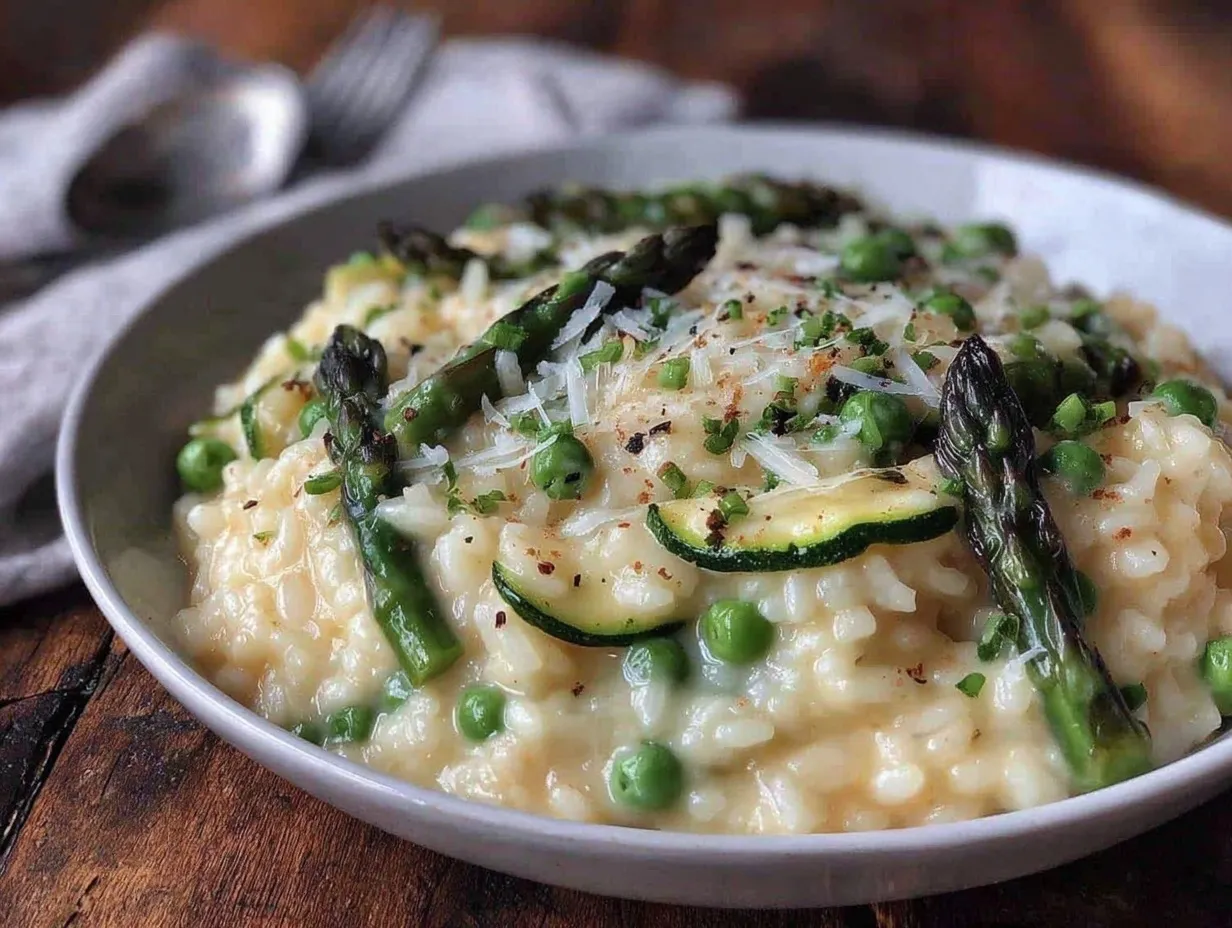
- Prepare your broth: Pour 5 cups (1.2 liters) of vegetable broth into a medium saucepan and keep it warm over low heat throughout the cooking process. This helps the rice cook evenly.
- Prep the vegetables: Trim and chop the asparagus into 1-inch pieces. If using fresh peas, shell them; if frozen, thaw slightly. Finely chop 1 medium shallot and mince 2 garlic cloves.
- Sauté shallots and garlic: In your large sauté pan, heat 2 tbsp olive oil over medium heat. Add the shallots and cook for about 2 minutes until translucent, then stir in garlic and cook for another 30 seconds until fragrant.
- Add the rice: Pour in 1 ½ cups (300 g) arborio rice. Stir constantly for 2 minutes to toast the grains lightly – this step helps develop the nutty flavor and texture.
- Deglaze with wine: Pour in ½ cup (120 ml) dry white wine, stirring until the liquid is mostly absorbed. If you’re skipping wine, start adding broth here.
- Start adding broth: Add a ladleful (about ½ cup / 120 ml) of warm vegetable broth to the rice. Stir gently but constantly until the liquid is mostly absorbed—this should take about 3-4 minutes.
- Continue adding broth: Keep adding broth, one ladleful at a time, stirring frequently. This slow absorption is key for creamy risotto. The whole process should take 25-30 minutes.
- Add asparagus and peas: When you’re about halfway through the broth (after roughly 12-15 minutes), stir in the chopped asparagus and peas. This keeps them tender yet crisp.
- Finish with butter and cheese: When the rice is tender but still slightly firm to the bite, remove from heat. Stir in 3 tbsp (45 g) unsalted butter, ½ cup (50 g) grated Parmesan, and the zest from 1 lemon. Season with salt and pepper to taste.
- Rest and serve: Let the risotto sit for 2 minutes off the heat to thicken slightly. Serve immediately, garnished with extra Parmesan or a sprinkle of fresh herbs if you like.
Pro tip: Don’t walk away while stirring—risotto needs your attention! If it looks too dry before the rice is cooked, add a splash more broth or even water. The final texture should be creamy and a bit loose, not stiff.
Cooking Tips & Techniques
Risotto can seem intimidating, but a few insider tips make all the difference. First, always keep your broth warm; cold broth cools down the rice and slows cooking. Stirring frequently encourages the rice to release its starch, creating that signature creaminess.
One mistake I made early on (and still sometimes do when distracted) is adding broth too quickly. Be patient and add it in small amounts, letting the rice soak it up before the next ladle. This keeps the texture just right—creamy but with a slight bite in the center.
Also, timing is everything with your veggies. Adding asparagus and peas halfway through cooking means they stay vibrant and retain a nice snap. I’ve tried adding them too early and ended up with mushy veggies, which, honestly, takes away from the fresh spring vibe.
Lastly, the finishing touch of butter, Parmesan, and lemon zest is what ties it all together. Stir them in off the heat to keep the flavors bright and the texture silky. If you want to get fancy, a drizzle of good olive oil on top adds an extra layer of richness.
Variations & Adaptations
- Vegan version: Swap butter for vegan margarine or coconut oil, and use nutritional yeast instead of Parmesan. Use vegetable broth without animal products.
- Seasonal twist: Try swapping peas with fresh fava beans or spring green beans for a slightly different flavor profile.
- Protein boost: Add cooked shrimp or shredded rotisserie chicken toward the end for a heartier meal.
- Grain alternatives: Use pearl barley or farro instead of arborio rice for a nutty texture, adjusting cooking times accordingly.
- Personal favorite: I sometimes stir in a handful of chopped fresh herbs like tarragon or basil at the end—adds a lovely fresh aroma that makes this risotto feel fancy yet approachable.
Serving & Storage Suggestions
This creamy spring vegetable risotto is best served hot and fresh, straight from the pan. The texture is at its creamiest, and the flavors really shine. I like to plate it with a sprinkle of extra Parmesan and a few lemon wedges on the side for those who want a zesty kick.
Pair it with a crisp white wine or a light sparkling water with lemon for a refreshing contrast. It also goes well alongside a simple green salad or roasted cherry tomatoes.
If you have leftovers, store them in an airtight container in the refrigerator for up to 2 days. Risotto thickens as it cools, so when reheating, add a splash of broth or water and warm gently on the stove, stirring to bring back that creamy texture.
Flavors tend to mellow and deepen overnight, so sometimes I actually prefer it the next day! Just be sure not to overcook when reheating, or it can become too soft.
Nutritional Information & Benefits
This spring vegetable risotto is a balanced dish combining complex carbs, fiber, and fresh vitamins. One serving (about 1 cup / 250 g) provides approximately:
| Calories | 320 kcal |
|---|---|
| Protein | 8 g |
| Carbohydrates | 45 g |
| Fat | 9 g |
| Fiber | 5 g |
Asparagus and peas are rich in vitamins A, C, and K, along with antioxidants and fiber, which support digestion and immune health. Using vegetable broth keeps the dish light, and the addition of lemon zest provides a good dose of vitamin C.
This recipe is naturally gluten-free if you use gluten-free broth, and can be made dairy-free with simple substitutions. It’s a wholesome choice that tastes indulgent but won’t weigh you down.
Conclusion
If you’re looking for a dish that brings springtime freshness to your table in a creamy, comforting way, this creamy spring vegetable risotto with fresh asparagus and peas is a winner. It’s approachable for cooks of all levels, uses ingredients you likely have on hand, and delivers a taste that feels special without the fuss. Honestly, I keep coming back to it because it’s that kind of recipe that makes you smile after the first bite.
Feel free to tweak it to your taste—add herbs, swap veggies, or turn it vegan. I’d love to hear how you make it yours, so don’t hesitate to leave a comment or share your version. Happy cooking and enjoy this little bowl of spring!
FAQs
Can I use frozen asparagus and peas for this risotto?
Yes! Frozen peas work great and just need a quick thaw. For asparagus, frozen can be used but may become softer; add it later in the cooking process to keep some texture.
What if I don’t have white wine—can I skip it?
Absolutely! You can replace the wine with an equal amount of broth or water. The risotto will still be delicious and creamy.
How do I know when the risotto is done?
The rice should be tender with a slight bite in the center (al dente) and the texture should be creamy and loose, not dry or mushy.
Can I make this risotto ahead of time?
Risotto is best fresh, but you can make it a day ahead. Store in the fridge and reheat gently with a splash of broth, stirring to bring back creaminess.
Is this recipe suitable for gluten-free diets?
Yes, as long as you use gluten-free vegetable broth and double-check all ingredients, this dish is naturally gluten-free.
Pin This Recipe!
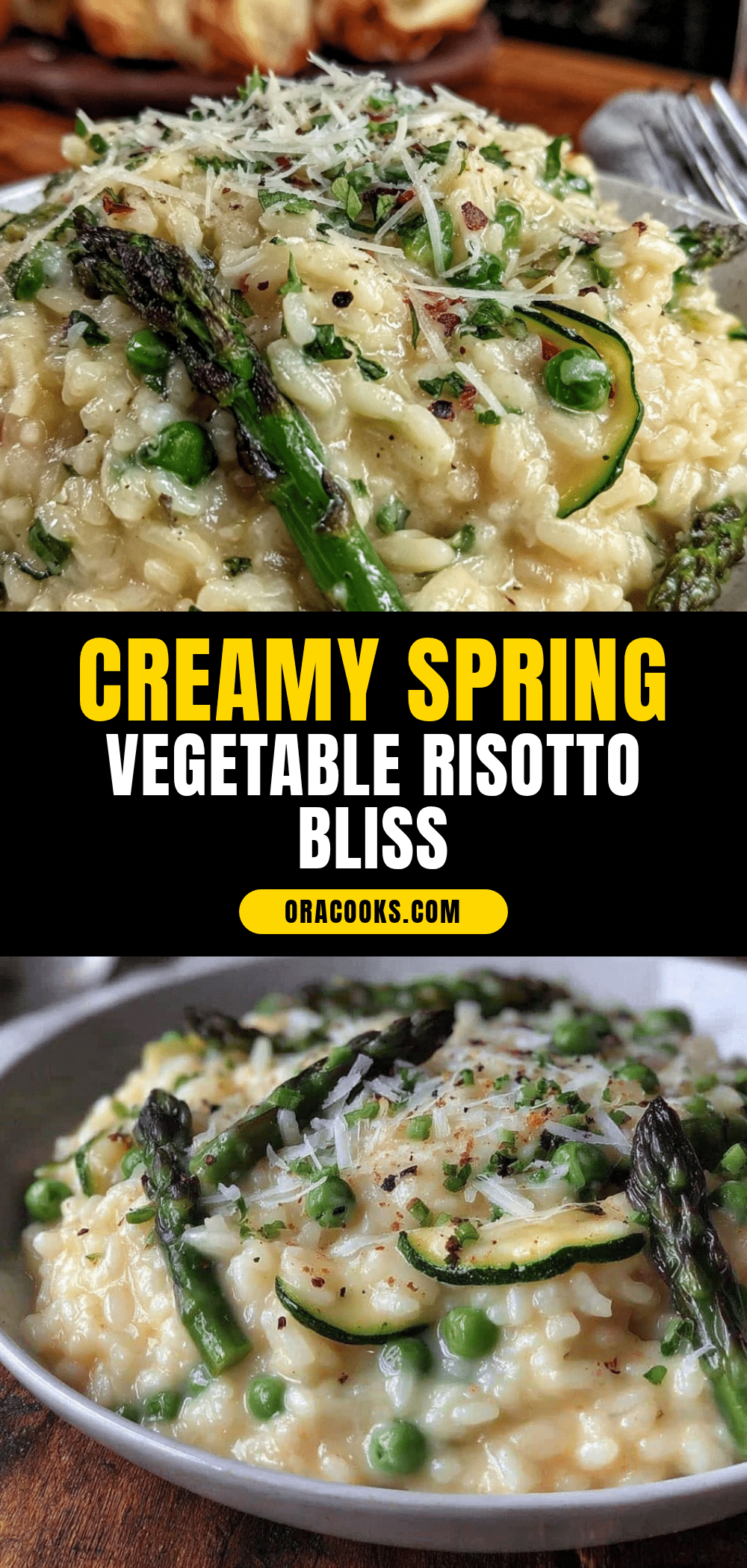
Creamy Spring Vegetable Risotto Recipe with Fresh Asparagus and Peas Made Easy

A creamy, comforting risotto featuring fresh asparagus and peas, perfect for spring dinners or casual brunches. This easy recipe delivers a silky texture and bright flavors with simple ingredients.
- Prep Time: 10 minutes
- Cook Time: 30 minutes
- Total Time: 40 minutes
- Yield: 4 servings 1x
- Category: Main Course
- Cuisine: Italian
Ingredients
- 1 ½ cups (300 g) arborio rice
- 1 bunch (about 1 lb / 450 g) fresh asparagus, trimmed and chopped into 1-inch pieces
- 1 cup (150 g) fresh or frozen peas
- 5 cups (1.2 liters) vegetable broth, warm
- ½ cup (120 ml) dry white wine (optional)
- 1 medium shallot, finely chopped
- 2 cloves garlic, minced
- 3 tbsp (45 g) unsalted butter
- ½ cup (50 g) Parmesan cheese, freshly grated
- Zest of 1 lemon
- 2 tbsp olive oil
- Salt and pepper to taste
Instructions
- Pour 5 cups (1.2 liters) of vegetable broth into a medium saucepan and keep warm over low heat.
- Trim and chop asparagus into 1-inch pieces. Shell fresh peas or thaw frozen peas. Finely chop shallot and mince garlic.
- Heat 2 tbsp olive oil in a large sauté pan over medium heat. Cook shallots for about 2 minutes until translucent, then add garlic and cook for 30 seconds until fragrant.
- Add 1 ½ cups arborio rice and stir constantly for 2 minutes to lightly toast the grains.
- Pour in ½ cup dry white wine and stir until mostly absorbed. If skipping wine, start adding broth here.
- Add a ladleful (about ½ cup) of warm broth to the rice. Stir gently and constantly until mostly absorbed, about 3-4 minutes.
- Continue adding broth one ladleful at a time, stirring frequently, for 25-30 minutes until rice is creamy and tender.
- After about 12-15 minutes, stir in chopped asparagus and peas to keep them tender yet crisp.
- When rice is tender but still slightly firm, remove from heat. Stir in 3 tbsp butter, ½ cup grated Parmesan, and lemon zest. Season with salt and pepper to taste.
- Let risotto rest for 2 minutes off heat to thicken slightly. Serve immediately, garnished with extra Parmesan or fresh herbs if desired.
Notes
Keep broth warm to ensure even cooking. Stir frequently to release starch for creaminess. Add broth slowly and patiently. Add asparagus and peas halfway through cooking to keep them crisp. Finish off heat with butter, Parmesan, and lemon zest for best flavor and texture. For vegan version, substitute butter with vegan margarine or coconut oil and Parmesan with nutritional yeast.
Nutrition
- Serving Size: About 1 cup (250 g)
- Calories: 320
- Fat: 9
- Carbohydrates: 45
- Fiber: 5
- Protein: 8
Keywords: risotto, spring vegetables, asparagus, peas, creamy risotto, easy dinner, vegetarian, gluten-free