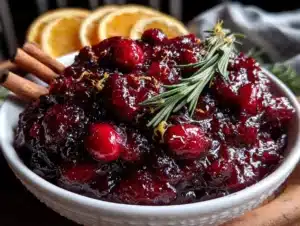
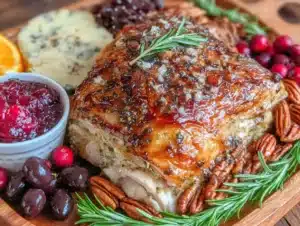
Love this? Save it for later!
Share the inspiration with your friends
I was digging through my freezer last Tuesday—looking for a bag of frozen peas, honestly—when a Ziploc bag of cranberries tumbled out and smacked me right in the toe. And just like that, the smell hit me. Not the smell of the frozen berries themselves, but the memory of them: sharp and tart and simmering on the stove at my aunt Margo’s house, that tiny yellow kitchen where the windows always fogged up the second you turned on a burner. I was maybe eight years old, standing on a step stool she kept just for me, watching the cranberries pop open one by one like little crimson firecrackers. She’d hand me a sprig of rosemary from the pot on her windowsill and let me strip the needles into the pot, and I thought I was the most important chef in the world. She’s been gone six years now, and I still can’t make cranberry sauce without getting a little teary over the whole thing.
Here’s the thing, though—I never really loved her recipe. It was always a little too sweet, a little one-note, the kind of sauce that sat there being pretty without actually saying much. So I spent a few Thanksgivings messing around with it, trying to find the version that felt like the one she would have landed on if she’d had a few more tries. And I think I finally got there. This Cozy Cranberry Orange Sauce with Fresh Rosemary is the one I keep coming back to—bright enough to cut through all the heavy stuff on your plate, but with that woodsy rosemary thing going on that makes you pause and go, huh, what is that? It’s the sauce I wish she’d made. And maybe you’ve been there too, tweaking a family recipe until it finally tastes like the memory you wanted it to be.
This isn’t just a side dish. It’s the thing you’ll put on everything—turkey sandwiches the next day, spooned over brie on crackers, swirled into yogurt for breakfast when nobody’s watching. It comes together in about 15 minutes, uses ingredients you probably already have, and fills your kitchen with that specific holiday smell that makes everyone wander in asking, “What’s for dinner?” Let me show you how to make it.
Why You’ll Love This Recipe
I’ve tested this cranberry sauce more times than I care to admit—seven versions in one weekend, if you can believe it. My counter was sticky, my stove was a mess, and my husband finally begged me to stop. But I learned a few things along the way, and this version is the one that finally made me close my eyes and smile.
- Ready in 15 Minutes: From start to finish, this comes together faster than you can set the table. No fussing, no complicated steps—just one pot and a little patience.
- Simple Pantry Ingredients: Fresh or frozen cranberries, an orange, a sprig of rosemary, and sugar. That’s it. No weird specialty items you’ll never use again.
- Perfect for Holiday Gatherings: Thanksgiving, Christmas, Friendsgiving—this sauce fits right in. It’s the bright, tangy counterpoint to all those rich, creamy dishes on the table.
- Always a Crowd-Pleaser: I’ve brought this to three different holiday dinners, and every single time, someone asks for the recipe. Kids love the sweetness, adults love the herbal twist.
- Unbelievably Delicious: The combination of tart cranberries, bright orange zest, and earthy rosemary is honestly next-level. It’s familiar but surprising—comfort food with a little edge.
What makes this recipe different from every other cranberry sauce out there? It’s the rosemary, plain and simple. Most recipes play it safe with just orange and sugar, but that little piney, almost peppery note from the fresh rosemary changes everything. It makes the sauce feel grown-up without being fussy. And the secret technique? I steep the rosemary sprig whole in the simmering liquid, then pull it out before serving. You get all the aromatic flavor without those tough little needles ending up in someone’s teeth. It’s a small thing, but it makes a big difference.
This is the kind of recipe that makes you feel like a good cook without actually having to work that hard. It’s the sauce that gets spooned onto everything, that people fight over the leftovers of, that makes you look like you spent way more time than you actually did. And honestly? That’s my favorite kind of recipe.
What Ingredients You Will Need
This recipe uses simple, wholesome ingredients to deliver bold flavor and satisfying texture without the fuss. Most of these are pantry staples or easy to find at any grocery store, especially during the holiday season.
For the Cranberry Orange Sauce
- 12 ounces (340 g) fresh or frozen cranberries: No need to thaw if using frozen—they’ll cook down just fine straight from the freezer. Look for bags that feel firm, with berries that bounce when you drop them. I usually grab a few extra bags when they go on sale around Thanksgiving and stash them in the freezer for later.
- 3/4 cup (150 g) granulated sugar: This gives the sauce its sweetness and helps it thicken as it cooks. You can adjust the amount up or down depending on how tart you like things. I’ve found 3/4 cup is the sweet spot—not too sugary, not too sour.
- 1/2 cup (120 ml) fresh orange juice: From about one large orange. Please don’t use the stuff from a carton—it makes a real difference. The fresh juice adds brightness that bottled juice just can’t match.
- 1 tablespoon orange zest: From the same orange you juiced. Zest it before you juice it—trust me, it’s way easier. The zest carries all those aromatic oils that make the orange flavor pop.
- 1 large sprig fresh rosemary (about 4 inches long): This is the secret ingredient that makes this sauce special. Use a whole sprig so you can fish it out later. If your rosemary is looking a little sad, use two smaller sprigs.
- 1/4 cup (60 ml) water: Helps the cranberries start cooking without scorching. You could also use apple cider for a slightly different flavor profile.
- Pinch of salt: Just a tiny pinch. Salt doesn’t make it salty—it makes everything else taste more like itself. Don’t skip it.
Optional Add-Ins
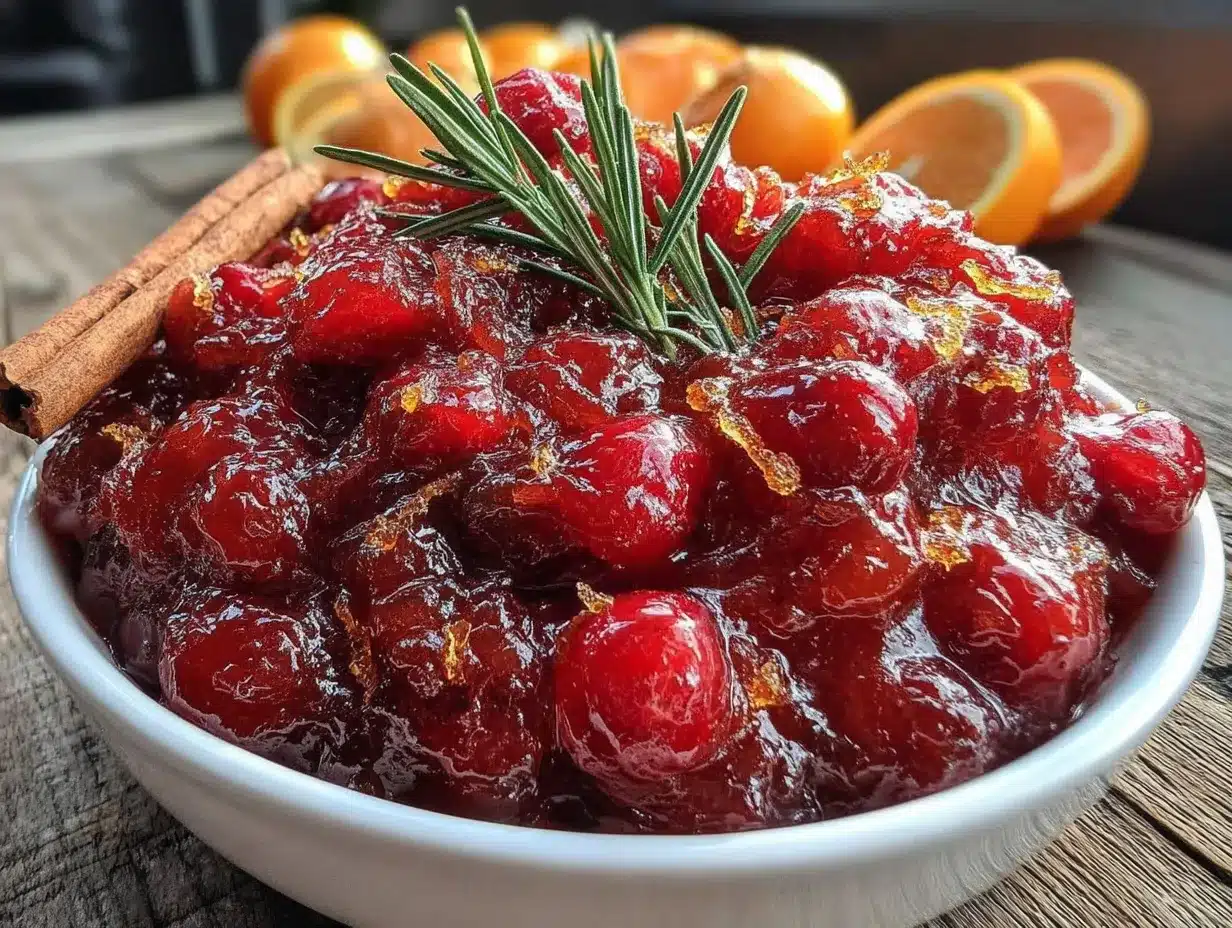
- 1 cinnamon stick: Adds warmth and depth. I add this about half the time, depending on my mood. It’s lovely but not essential.
- 1 tablespoon bourbon or Grand Marnier: A little splash at the end gives the sauce a grown-up kick. I did this once for a dinner party and everyone lost their minds.
- 1/2 teaspoon vanilla extract: Rounds out the sharpness of the cranberries. A nice touch if you’re serving this with something simple like roast chicken.
Ingredient Selection Tip: For the best texture, look for cranberries that are firm and bright red. If they’re soft or shriveled, they’re past their prime. As for the rosemary, grab a bunch that smells strongly piney when you rub a needle between your fingers—that’s how you know it’s fresh and flavorful. I like to buy my oranges a few days ahead and let them come to room temperature; they’re easier to zest and juice that way.
Substitution Guidance: If you need a lower-sugar option, swap the granulated sugar with 1/3 cup maple syrup or honey—just know the flavor will shift slightly. For a sugar-free version, use 1/4 cup monk fruit sweetener or allulose. And if rosemary isn’t your thing (though I have to ask—why not?), try a sprig of fresh thyme or a couple of star anise pods instead. The technique stays the same.
Equipment Needed
You don’t need a fancy kitchen to make this sauce. Here’s what you’ll need:
- Medium saucepan (2-3 quart): Heavy-bottomed is best—it distributes heat evenly and prevents the sugar from burning before the cranberries release their juices. I use my trusty 3-quart All-Clad, but any sturdy pan will work.
- Microplane or fine grater: For zesting the orange. A box grater works in a pinch, but a Microplane gives you those fluffy, aromatic bits of zest that melt right into the sauce.
- Citrus juicer or reamer: Or just use your hands—squeeze firmly and strain out the seeds. I’ve done it both ways, and honestly, hand-squeezing is oddly satisfying.
- Wooden spoon or silicone spatula: For stirring. Go with something that won’t scratch your pan. I prefer a wooden spoon because it feels right for something this rustic.
- Fine-mesh strainer: Optional, but useful if you want a smoother sauce without any rosemary bits or stray seeds. I usually skip this step because I like a little texture.
- Glass jar or airtight container: For storing leftovers. This sauce keeps beautifully, so don’t toss any extras.
Budget-Friendly Alternatives: No Microplane? Use the small holes on a box grater. No citrus juicer? Roll the orange firmly on the counter before cutting it in half and squeezing by hand. No heavy-bottomed saucepan? Use whatever you have and just keep a closer eye on the heat—stir more often and lower the flame if you notice the sugar catching.
Personal Note: I used to make this in a cheap nonstick pan I got from the grocery store, and it worked fine. The only thing I’d really recommend splurging on is a Microplane—it’s maybe $12 and it makes zesting so much easier. I’ve broken two cheap graters before finally buying one, and I haven’t looked back.
Preparation Method
Let’s make some cranberry sauce. This is the easy part—I promise you’ve got this.
- Prepare your ingredients: Rinse the cranberries under cold water and pick out any soft or shriveled ones. Zest your orange before juicing it—this is important because it’s nearly impossible to zest a squishy, juiced orange. Set the zest aside. Juice the orange and measure out 1/2 cup of juice. If you’re short, top it off with water. Have your rosemary sprig ready.
- Combine the base: In your medium saucepan, add the cranberries, sugar, orange juice, water, and that pinch of salt. Give everything a good stir with your wooden spoon. Don’t add the rosemary or orange zest yet—they go in later so their flavors stay bright and fresh.
- Bring to a simmer: Place the saucepan over medium-high heat. Let the mixture come to a gentle boil—you’ll see bubbles breaking the surface and the cranberries starting to move around. This takes about 3-4 minutes. Don’t walk away at this point; sugar mixtures can go from fine to burnt really fast.
- Add the rosemary: Once the mixture is simmering, drop in the whole rosemary sprig. Press it down into the liquid so it’s mostly submerged. The heat will coax out those lovely essential oils without making the sauce taste like a pine forest. Reduce the heat to medium-low so the sauce is at a steady, gentle simmer—not a furious boil.
- Cook until the berries pop: Let the sauce simmer for about 8-10 minutes. You’ll hear the cranberries start to pop—that satisfying little pop-pop-pop sound that means they’re releasing their natural pectin. Stir occasionally to prevent sticking. The sauce will start to thicken as the berries break down. You’re looking for most of the cranberries to have burst, with just a few whole ones remaining for texture.
- Test for doneness: After about 10 minutes, the sauce should be thick enough to coat the back of your spoon. To test, drag your finger through the sauce on the spoon—if the line holds and doesn’t immediately fill back in, it’s ready. Remember that the sauce will continue to thicken as it cools, so don’t cook it until it’s jam-thick on the stove.
- Remove the rosemary and add the zest: Use tongs or your spoon to fish out the rosemary sprig. Discard it—it’s given you all it’s got. Stir in the orange zest. The heat will wake up those aromatic oils and make the whole kitchen smell incredible.
- Cool and serve: Remove the saucepan from the heat. Let the sauce cool in the pan for about 10 minutes, then transfer it to a serving bowl or storage container. The sauce will continue to set as it cools. If you prefer a smoother texture, you can blend it with an immersion blender at this point, but I like it chunky.
- Taste and adjust: Give it a taste once it’s cooled slightly. Need more sweetness? Stir in a tablespoon of honey or maple syrup. Want more tartness? A squeeze of fresh lemon juice will brighten it right up. This is your sauce—make it taste like you.
Sensory Cues: At the start, the mixture will look like cranberries swimming in pink-tinted water. As it cooks, the liquid will turn a deep ruby red, and the berries will soften and collapse. The smell is incredible—tart and sweet with that woodsy rosemary note cutting through. When it’s done, the sauce should look glossy and thick, with a few whole berries suspended in the jammy mixture. If you tip the pan, the sauce should move slowly, like lava.
Personal Tip: I always make this the day before I need it. The flavors meld overnight in the fridge, and the texture firms up perfectly. Plus, it’s one less thing to do on the day of the big meal. Just take it out of the fridge about 30 minutes before serving to let it come to room temperature.
Cooking Tips & Techniques
I’ve made this sauce enough times to learn a few things the hard way. Here’s what I wish someone had told me:
Don’t Over-Stir: I know it’s tempting to stand there stirring, but the more you stir, the more you break up the cranberries. A little texture is a good thing. Stir just enough to keep the bottom from scorching—every 30 seconds or so is plenty.
Watch the Heat: Cranberries are high in pectin, which means they thicken naturally as they cook. But if your heat is too high, the sugar can burn before the berries have a chance to release their juices. Keep it at a gentle simmer—small, lazy bubbles, not a rolling boil. I learned this lesson when I made a batch that tasted faintly of caramel in a bad way.
Use the Whole Rosemary Sprig: I cannot stress this enough. Chopped rosemary leaves will float around in the sauce and end up as little green flecks that someone will inevitably bite into and wonder what’s happening. A whole sprig gives you all the flavor without the texture issues. Plus, it looks beautiful floating in the pot while it cooks.
Zest Before You Juice: I mentioned this earlier, but it bears repeating. A whole, firm orange is easy to zest. A juiced, wrinkled orange is a nightmare. Zest first, then juice. Your future self will thank you.
Make It Ahead: This sauce is actually better the next day. The flavors have time to marry, and the texture firms up to that perfect jammy consistency. I always make mine the night before Thanksgiving and just let it hang out in the fridge. It’s one less thing to stress about on the big day.
My Biggest Failure: One year, I decided to double the recipe and use a huge pot. I didn’t adjust my cooking time, and I ended up with cranberry sauce that was basically cranberry leather. It was thick enough to spread on a bagel, which sounds good but wasn’t what I was going for. The lesson? Stick to a single batch in a properly sized pot, or if you must double it, give it extra time and watch it like a hawk.
Timing Strategy: This sauce takes exactly 15 minutes of active time. I usually start it right after I put the turkey in the oven, or while the rolls are warming. It’s flexible enough to fit into any cooking timeline. Just don’t try to do it while you’re also juggling three other last-minute dishes—I’ve burned more than one batch that way.
Variations & Adaptations
This recipe is a great base, but don’t be afraid to make it your own. Here are some variations I’ve tried and loved:
Spiced Cranberry Orange Sauce: Add a cinnamon stick and two whole cloves along with the rosemary sprig. The warm spices complement the orange beautifully and make the sauce feel even more festive. I did this for Christmas dinner last year, and my sister-in-law asked for the recipe before she even finished eating.
Maple-Bourbon Version: Swap the granulated sugar for 1/2 cup maple syrup and stir in 2 tablespoons of bourbon at the very end, off the heat. The maple adds a deeper, more complex sweetness, and the bourbon gives it a little warmth. This one is dangerous—you’ll find yourself eating it straight from the jar.
Low-Sugar Option: Use 1/4 cup of honey or maple syrup instead of the sugar, and add an extra 1/4 cup of water to help the cranberries cook down. The sauce won’t be as firm, but it’ll still taste incredible. I’ve made this for a friend who’s watching her sugar intake, and she loved it.
Slow Cooker Method: Combine all ingredients (except the orange zest) in a small slow cooker. Cook on low for 2-3 hours, stirring once or twice. Stir in the zest at the end. This is great if your stovetop is crowded with other dishes. The sauce will be a little thinner, so let it cool uncovered to help it thicken.
Savory Twist: Add a finely chopped shallot and a tablespoon of balsamic vinegar along with the cranberries. The savory notes make this version perfect for serving with pork roast or grilled chicken. I tried this on a whim one Tuesday night, and it turned a simple pork chop dinner into something special.
Allergen Substitutions: This recipe is naturally gluten-free, dairy-free, and nut-free. If you need it to be sugar-free, use monk fruit sweetener or allulose—just note that the texture will be slightly different. For a lower-acid version, replace half the orange juice with apple cider.
Personal Variation: My favorite way to make this is with a pinch of red pepper flakes added along with the rosemary. That tiny hint of heat plays so well with the sweet and tart flavors. I call it “Spicy Holiday Sauce,” and it’s the first thing to disappear at every gathering. Try it—you might be surprised.
Serving & Storage Suggestions
This sauce is versatile enough to show up at almost any meal. Here’s how I like to serve and store it:
Serving Temperature: I prefer this sauce at room temperature or slightly chilled. Straight from the fridge, it’s a bit too firm. Let it sit out for about 30 minutes before serving, and give it a stir to loosen it up. If you’re serving it warm, just reheat it gently on the stovetop or in the microwave.
Presentation Ideas: Serve it in a beautiful glass bowl so the deep ruby color can shine. Garnish with a fresh rosemary sprig and a few thin orange slices arranged around the edge. It’s such a pretty dish—let it be the star. For a casual meal, just spoon it straight from the jar into a small bowl. No judgment here.
What to Serve With It: Obviously, this is perfect with roast turkey or chicken. But don’t stop there. Spoon it over brie or goat cheese for an easy appetizer. Swirl it into yogurt or oatmeal for breakfast. Spread it on a turkey sandwich the next day. Use it as a glaze for roasted pork tenderloin or salmon. I’ve even put it on vanilla ice cream—don’t knock it till you try it.
Complementary Dishes: This sauce pairs beautifully with herb stuffing with sage and thyme, creamy mashed potatoes, and roasted Brussels sprouts. For drinks, a crisp white wine like Sauvignon Blanc or a sparkling apple cider works wonderfully. And if you’re feeling fancy, a bourbon cocktail is the perfect companion.
Storage Instructions: Store the sauce in an airtight container in the refrigerator for up to two weeks. Yes, two weeks—the sugar and acid act as natural preservatives. I’ve kept it for three weeks with no issues, but it never lasts that long in my house. You can also freeze it for up to three months. Thaw it overnight in the fridge and give it a good stir before serving.
Reheating Tips: To reheat, transfer the desired amount to a small saucepan and warm over low heat, stirring occasionally. Add a splash of water or orange juice if it’s too thick. You can also microwave it in 30-second bursts, stirring between each. Just don’t overheat it, or the texture will become runny.
Flavor Development: The flavors in this sauce actually get better after a day or two in the fridge. The rosemary mellows out, the orange brightens, and everything settles into a beautiful harmony. So don’t worry if it tastes a little sharp right after cooking—give it time. It knows what it’s doing.
Nutritional Information & Benefits
Let’s talk about what’s actually in this sauce, besides deliciousness. Here’s the estimated nutritional breakdown per serving (about 1/4 cup):
| Nutrient | Amount |
|---|---|
| Calories | 85 |
| Total Fat | 0g |
| Sodium | 15mg |
| Total Carbohydrates | 22g |
| Dietary Fiber | 2g |
| Sugars | 18g |
| Protein | 0g |
| Vitamin C | 15% DV |
Health Benefits of Key Ingredients: Cranberries are packed with antioxidants and vitamin C, which support immune health—especially welcome during cold and flu season. They also contain compounds that may help prevent urinary tract infections. Oranges bring even more vitamin C to the party, plus fiber and potassium. And rosemary? It’s been used for centuries to aid digestion and improve memory. So this sauce isn’t just tasty—it’s practically a health food. (I mean, sort of. The sugar content is real, but we’re not pretending this is a salad.)
Dietary Considerations: This recipe is naturally gluten-free, dairy-free, egg-free, and nut-free. It’s suitable for vegan and vegetarian diets. If you’re watching your sugar intake, try the low-sugar variation I mentioned earlier. And if you’re on a low-FODMAP diet, you’ll be happy to know that cranberries, oranges, and rosemary are all low-FODMAP friendly.
Potential Allergens: None of the major allergens are present in this recipe. However, if you add the optional bourbon or Grand Marnier, be aware that those contain alcohol and may not be suitable for everyone.
Personal Wellness Perspective: I love that this sauce lets me enjoy something sweet and indulgent without feeling like I’ve derailed my whole day. It’s made with real, whole ingredients—no corn syrup, no artificial flavors, no preservatives. And because it’s so flavorful, a little goes a long way. A spoonful on your plate is enough to make everything taste special. That’s my kind of balance.
Conclusion
So there you have it—a cranberry sauce that’s quick, simple, and just a little bit special. The rosemary and orange work together in a way that feels both familiar and surprising, like running into an old friend in a new city. It’s the kind of recipe that doesn’t demand much from you but gives back a lot. And honestly? That’s my favorite kind of cooking.
I hope you’ll give this a try, whether it’s for a big holiday feast or just a regular Tuesday dinner that needs a little something extra. Feel free to play with the flavors—add more orange, less sugar, a pinch of cinnamon, whatever feels right to you. That’s the beauty of a simple recipe like this. It’s a starting point, not a rulebook.
This sauce means something to me. It’s the taste of my aunt’s kitchen, the smell of fogged-up windows, the sound of cranberries popping on the stove. And now it’s yours too. I’d love to hear how it turns out—drop a comment below and tell me what you served it with, or how you made it your own. Did you add the bourbon? Try the spicy version? Share it with someone you love? Let me know. And if you’re looking for more cozy holiday recipes, check out this classic roast turkey with herb butter that pairs perfectly with this sauce.
Happy cooking, friend. Go make something delicious.
Frequently Asked Questions
Can I use dried cranberries instead of fresh?
I wouldn’t recommend it for this recipe. Dried cranberries are already sweetened and have a completely different texture. They won’t break down and release pectin the way fresh or frozen cranberries do, so you’ll end up with something closer to a compote than a sauce. Stick with fresh or frozen for the best results.
How do I fix cranberry sauce that’s too runny?
If your sauce is thinner than you’d like, don’t panic. You have a few options: simmer it a little longer to cook off more liquid, or stir in a teaspoon of cornstarch dissolved in a tablespoon of cold water. But honestly, the easiest fix is just to let it cool completely—pectin continues to set as the sauce cools, and it will thicken up significantly in the fridge.
Can I make this recipe sugar-free?
Absolutely. Swap the granulated sugar for 1/4 cup of monk fruit sweetener or allulose. Keep in mind that the sauce won’t be quite as thick, since sugar contributes to the texture. You can add a teaspoon of pectin or chia seeds to help it set if you want a firmer result. I’ve made it this way for a friend, and it was still delicious.
How long does homemade cranberry sauce last?
Stored in an airtight container in the refrigerator, this sauce will keep for up to two weeks. The sugar and acid act as natural preservatives. You can also freeze it for up to three months. Just thaw it overnight in the fridge and give it a good stir before serving. I’ve never had a batch go bad because it disappears too fast!
Can I use this sauce for anything besides turkey?
Oh, absolutely. This sauce is incredibly versatile. Spread it on sandwiches, spoon it over brie for an easy appetizer, swirl it into yogurt or oatmeal, use it as a glaze for pork or salmon, or even serve it over ice cream. I’ve put it on everything from pancakes to grilled cheese, and it’s never let me down.
Pin This Recipe!
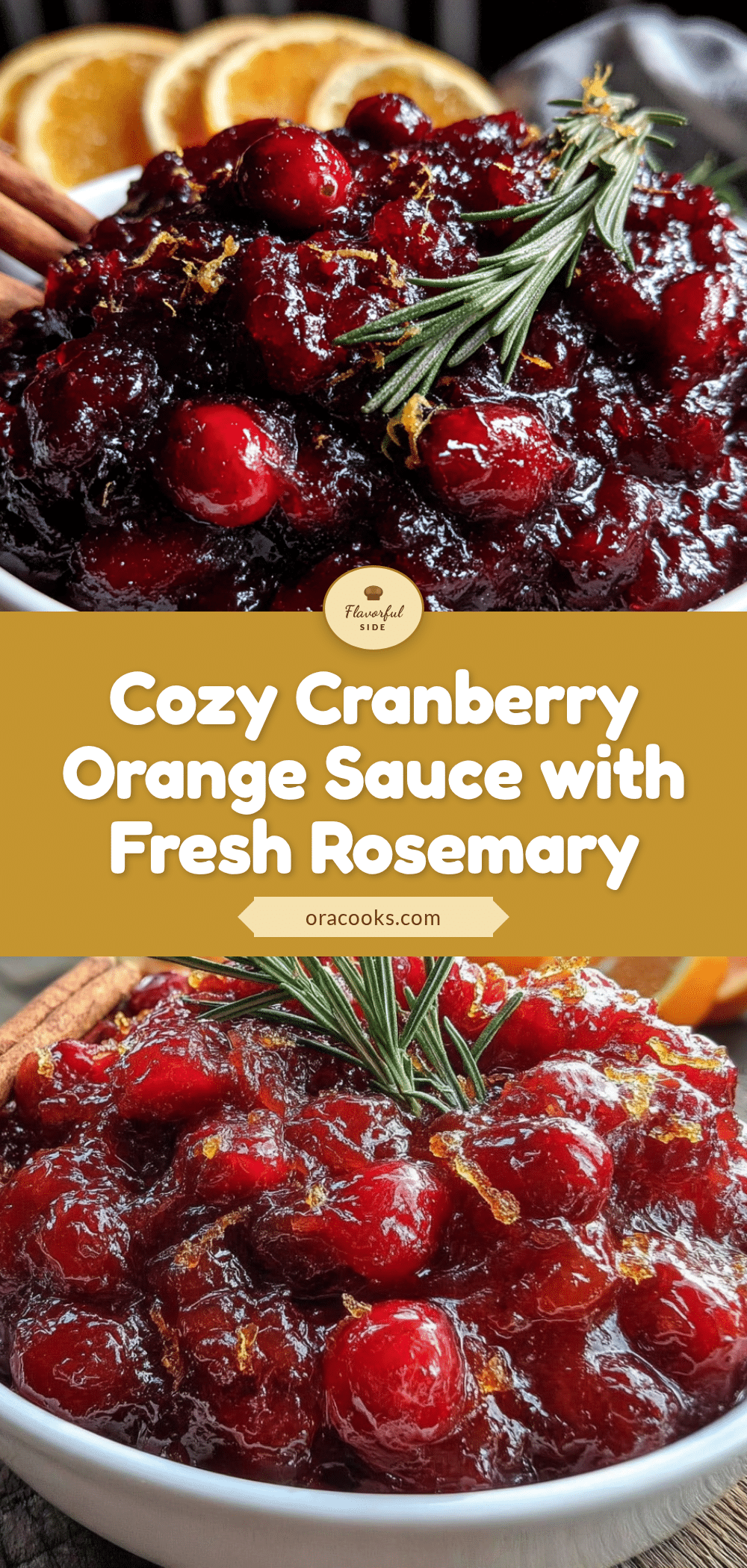
Cozy Cranberry Orange Sauce with Fresh Rosemary: Easy 15-Minute Recipe
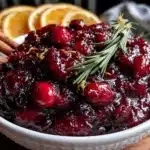
This quick and easy cranberry sauce combines tart cranberries, bright orange zest, and earthy rosemary for a flavorful twist on a classic holiday side dish. Ready in just 15 minutes, it’s perfect for Thanksgiving, Christmas, or any festive meal.
- Prep Time: 5 minutes
- Cook Time: 10 minutes
- Total Time: 15 minutes
- Yield: 8 servings 1x
- Category: Side Dish
- Cuisine: American
Ingredients
- 12 ounces (340 g) fresh or frozen cranberries
- 3/4 cup (150 g) granulated sugar
- 1/2 cup (120 ml) fresh orange juice
- 1 tablespoon orange zest
- 1 large sprig fresh rosemary (about 4 inches long)
- 1/4 cup (60 ml) water
- Pinch of salt
- 1 cinnamon stick (optional)
- 1 tablespoon bourbon or Grand Marnier (optional)
- 1/2 teaspoon vanilla extract (optional)
Instructions
- Rinse the cranberries under cold water and pick out any soft or shriveled ones. Zest your orange before juicing it. Set the zest aside. Juice the orange and measure out 1/2 cup of juice. If you’re short, top it off with water. Have your rosemary sprig ready.
- In a medium saucepan, add the cranberries, sugar, orange juice, water, and a pinch of salt. Stir to combine. Do not add the rosemary or orange zest yet.
- Place the saucepan over medium-high heat and bring to a gentle boil, about 3-4 minutes.
- Once simmering, drop in the whole rosemary sprig, pressing it down into the liquid. Reduce heat to medium-low to maintain a steady simmer.
- Let the sauce simmer for 8-10 minutes, stirring occasionally, until most of the cranberries have burst and the sauce thickens.
- Test for doneness by dragging your finger through the sauce on the back of a spoon—if the line holds, it’s ready.
- Remove the rosemary sprig with tongs and discard. Stir in the orange zest.
- Remove from heat and let cool in the pan for about 10 minutes. Transfer to a serving bowl or storage container. The sauce will continue to thicken as it cools.
- Taste and adjust sweetness or tartness as desired. Serve at room temperature or chilled.
Notes
For best flavor, make the sauce a day ahead and refrigerate overnight. The flavors meld and the texture firms up perfectly. Let it come to room temperature for about 30 minutes before serving. If the sauce is too runny, simmer longer or let it cool completely—pectin will continue to set. For a smoother texture, blend with an immersion blender after cooking.
Nutrition
- Serving Size: 1/4 cup
- Calories: 85
- Sugar: 18
- Sodium: 15
- Carbohydrates: 22
- Fiber: 2
Keywords: cranberry sauce, orange cranberry sauce, rosemary cranberry sauce, easy cranberry sauce, homemade cranberry sauce, Thanksgiving side dish, Christmas recipe