Love this? Save it for later!
Share the inspiration with your friends
The first real cold snap of the year hit last Tuesday, and I wasn’t ready. The temperature dropped twenty degrees overnight, and I woke up to frost on my windows and a rumbling, empty stomach. I had a busy day of freelance writing ahead, plus a neighbor who was coming over for dinner that night because her furnace had died. I wanted to make something that felt like a hug. But I had no time for fancy braising or standing over a stove.
I opened my fridge and stared at a chuck roast I’d bought on sale, a bag of carrots that were starting to look sad, and three lonely parsnips from a farmers’ market trip two weeks ago. I had half an onion, some celery that was still crisp, and a bottle of red wine that was technically for drinking but, you know, desperate times. I thought about the slow cooker sitting in the back of my cabinet, dusty and neglected since summer. I mean, I love my slow cooker, but I forget about it when the weather is warm.
So I threw everything in—no browning the meat first, no fancy deglazing, just a rough chop and a dump. I added some beef broth, a bay leaf, and a splash of that wine. I set it on low and went back to work. Honestly, I was nervous. I’d never made a stew without browning the meat first. It felt like cheating. But when my neighbor walked in that evening, the smell hit us both. It was deep, rich, and earthy. The kind of smell that makes you close your eyes. The beef was fall-apart tender, the broth was silky and savory, and the root vegetables had soaked up all that flavor. “This is the best thing I’ve eaten all year,” she said. And she wasn’t just being polite. That’s when I knew this cozy slow cooker harvest beef stew with root vegetables was something special. It’s been my go-to cold-weather dinner ever since. Maybe you’ve been there—wanting a warm, satisfying meal but running on empty. This one’s for you.
Why You’ll Love This Recipe
Let me tell you why this slow cooker harvest beef stew has become a staple in my kitchen. It’s not just another beef stew recipe. After testing this dish about six times (my neighbors were very happy taste-testers), I can confidently say it hits every single mark for a perfect weeknight dinner.
- Incredibly Easy: You don’t even have to brown the meat. I know, I know—I was skeptical too. But this version comes together in about 20 minutes of active prep time. The slow cooker does all the heavy lifting. It’s perfect for busy days when you want to “set it and forget it.”
- Simple, Wholesome Ingredients: You probably already have most of these in your pantry. No trips to a specialty store. No weird ingredients you’ll never use again. Just honest, root-vegetable goodness.
- Perfect for Cold Days: This is the ultimate comfort food for fall and winter. It warms you from the inside out. It’s great for Sunday dinners, meal prep, or when you need to bring a dish to a potluck.
- Crowd-Pleaser: I’ve served this to picky kids, diet-conscious friends, and my meat-and-potatoes uncle. Everyone goes back for seconds. The flavors are familiar but somehow more satisfying.
- Unbelievably Delicious: The slow cooking creates a broth that’s deeply savory, almost velvety. The beef becomes so tender it falls apart with a fork. The root vegetables get sweet and creamy. It’s comfort food at its finest.
What makes this recipe different from the rest? It’s the combination of a slow, hands-off cooking method with a smart blend of root vegetables. Most stews either require a lot of fussing or end up with mushy vegetables. This one nails the texture. The carrots and parsnips stay tender but not mushy. The potatoes hold their shape. And the broth thickens beautifully without any flour or cornstarch. It’s the kind of meal that makes you feel like you’ve accomplished something, even though you barely did any work. It’s comfort food reimagined—simpler, warmer, and with the same soul-soothing satisfaction.
What Ingredients You Will Need
This recipe uses simple, honest ingredients to build big, cozy flavor. Most of these are pantry staples or fall farmer’s market finds. Here’s what you’ll need, with a few notes from my own trials.
- Beef chuck roast (2 to 2.5 pounds): This is my go-to cut for stew. It has great marbling, which breaks down during slow cooking and makes the meat incredibly tender. Look for a roast with good fat distribution. Trim off any large, hard pieces of fat, but leave some for flavor. I’ve used sirloin before, and it was tougher—stick with chuck.
- Carrots (3 large, peeled and cut into 2-inch chunks): Carrots add a natural sweetness that balances the savory broth. I like to cut them into chunky pieces so they don’t disappear. Baby carrots work in a pinch, but they’re less flavorful.
- Parsnips (2 large, peeled and cut into 2-inch chunks): Parsnips are the unsung heroes of this stew. They have a slightly peppery, nutty flavor that gets sweet and buttery when cooked. Don’t skip them if you can find them. If you can’t, use an extra carrot and a small turnip.
- Yukon Gold potatoes (1 pound, about 3 medium, cut into 1.5-inch chunks): These are my favorite for stew. They hold their shape well and have a creamy, buttery texture. Russets will get too mushy. Red potatoes are okay, but Yukon Golds are best.
- Yellow onion (1 large, diced): The base of any good stew. It melts into the broth and adds a savory depth. I don’t bother being too precise with the dice—rough chunks are fine here.
- Celery (2 stalks, chopped): Adds a subtle earthy flavor. It almost disappears into the broth, which is exactly what you want.
- Garlic (4 cloves, minced): Fresh garlic is non-negotiable here. The jarred stuff just doesn’t have the same punch. I add it right at the beginning so it mellows out during the long cook.
- Beef broth (4 cups, low-sodium): The liquid backbone. I use low-sodium so I can control the salt. I’ve tried using chicken broth in a pinch, and it works, but beef broth gives a deeper, richer flavor. I recommend Swanson or Pacific Foods for quality.
- Dry red wine (1 cup, optional but recommended): A good splash of wine adds acidity and complexity that water or broth alone can’t match. Use something you’d actually drink—I like a Cabernet Sauvignon or Merlot. If you don’t cook with wine, just add an extra cup of beef broth and a tablespoon of balsamic vinegar.
- Tomato paste (2 tablespoons): This adds a subtle umami richness and helps thicken the broth slightly. I buy it in a tube so I can use just what I need.
- Bay leaf (1 large or 2 small): A classic stew ingredient. It adds a subtle herbal note. Don’t forget to remove it before serving!
- Dried thyme (1 teaspoon): Thyme and beef are a classic pair. It adds a woodsy, slightly floral flavor. If you have fresh thyme, use 2-3 sprigs and remove them before serving.
- Salt and black pepper (to taste): I start with 1 teaspoon of salt and 1/2 teaspoon of pepper, then adjust at the end. Remember, the broth will reduce and concentrate, so go easy at first.
- Olive oil (2 tablespoons): For sautéing the aromatics. You could use butter for a richer flavor, but olive oil is lighter and works perfectly.
- Fresh parsley (for garnish, optional): A sprinkle of fresh parsley adds a pop of color and freshness. It’s not essential, but it looks pretty.
Equipment Needed
You don’t need a fancy kitchen to make this stew. Here’s the gear that will make your life easier.
- Slow cooker (6-quart or larger): This is the star of the show. A 6-quart model is ideal for this amount of food. If yours is smaller, just reduce the recipe by a third. I use a Crock-Pot brand, but any brand works. Make sure the lid fits snugly.
- Large skillet or Dutch oven (optional): I used to think you had to brown the meat in a skillet first. For this recipe, you don’t. But if you want to, you can use a large skillet to sear the beef before adding it to the slow cooker. It adds a little extra flavor, but honestly, I don’t bother anymore.
- Cutting board and sharp chef’s knife: You’ll be chopping a lot of root vegetables. A sharp knife makes the job safer and faster. A dull knife is a recipe for frustration (and a cut finger).
- Vegetable peeler: For peeling the carrots and parsnips. A Y-shaped peeler is my favorite—it’s fast and comfortable.
- Wooden spoon or spatula: For stirring the aromatics and deglazing the pan if you choose to brown the meat.
- Measuring cups and spoons: For the broth, wine, and seasonings. I’m usually a “glug and guess” kind of cook, but for a stew, getting the liquid ratio right matters.
- Mixing bowl (optional): For tossing the beef with salt and pepper if you want to season it separately. I just season it right in the slow cooker.
That’s it! No immersion blender, no special gadgets. Just good, basic tools. If you don’t have a slow cooker, you can use a Dutch oven and cook it in the oven at 325°F for about 3 hours. But honestly, the slow cooker is where the magic happens.
Preparation Method
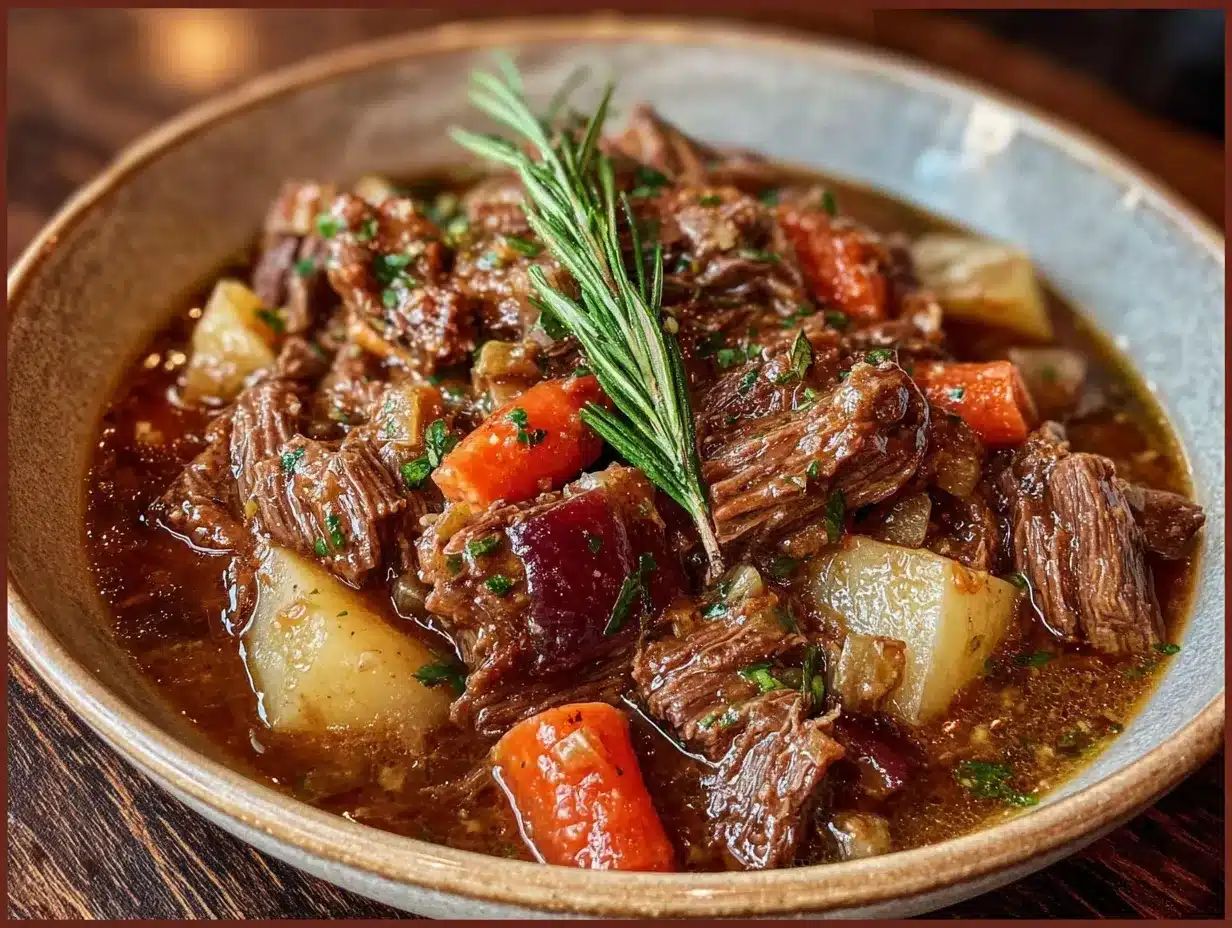
Alright, let’s get cooking. This method is designed to be as hands-off as possible while still delivering a deeply flavorful stew. Follow these steps, and you’ll have a perfect meal waiting for you.
- Prep the vegetables (10 minutes): Start by washing and peeling your carrots and parsnips. Cut them into 2-inch chunks. Don’t make them too small, or they’ll turn to mush. Peel your potatoes and cut them into 1.5-inch chunks. Dice the onion and chop the celery. Mince the garlic. I like to do all my chopping first so I can just dump everything in.
- Season the beef (2 minutes): Cut the beef chuck roast into 2-inch cubes. You want big, generous pieces. Season them generously with salt and pepper. I use about 1 teaspoon of salt and 1/2 teaspoon of pepper for the whole roast. Don’t be shy—the meat needs to be seasoned well.
- Sauté the aromatics (5 minutes, optional but recommended): Heat the olive oil in a large skillet over medium heat. Add the diced onion and celery and cook for about 3 minutes, until softened. Add the minced garlic and cook for another 30 seconds, until fragrant. This step wakes up the flavors. If you’re in a huge rush, you can skip it and just throw the raw aromatics into the slow cooker. But honestly, it’s worth the extra five minutes.
- Deglaze the pan (2 minutes, optional): If you used a skillet, pour in about 1/2 cup of the beef broth (or the red wine) and scrape up any browned bits from the bottom. Those bits are pure flavor. Pour this mixture into the slow cooker.
- Layer the ingredients in the slow cooker (5 minutes): Place the carrots, parsnips, and potatoes in the bottom of the slow cooker. This protects them from overcooking. Place the seasoned beef cubes on top of the vegetables. Sprinkle the sautéed onion mixture over the beef. Add the tomato paste, dried thyme, and bay leaf. Pour in the remaining beef broth and the red wine (if using). Do not stir yet—the layering helps everything cook evenly.
- Cook low and slow (6-8 hours on low or 4-5 hours on high): Put the lid on and set your slow cooker to low. This is the key. Cooking on low for 7-8 hours allows the collagen in the beef to break down completely, making it fork-tender. The vegetables will be soft but not mushy. If you’re short on time, you can cook on high for 4-5 hours, but the texture won’t be quite as amazing. Trust me on this—low is the way to go.
- Check for doneness (last 30 minutes): About 30 minutes before serving, remove the lid and check the beef. It should shred easily with a fork. Taste the broth and adjust the seasoning. You might need another 1/2 teaspoon of salt or a crack of black pepper. If the broth is too thin for your liking, you can mix 1 tablespoon of cornstarch with 2 tablespoons of cold water and stir it in. Let it cook for another 15 minutes to thicken.
- Rest and serve (5 minutes): Turn off the slow cooker and let the stew sit for 5 minutes. Remove the bay leaf. Ladle the stew into bowls and garnish with fresh parsley if you’re feeling fancy. Serve it hot with crusty bread or over mashed potatoes.
Troubleshooting tip: If your stew tastes flat, it probably needs more salt or a splash of acidity. A squeeze of lemon juice or a dash of Worcestershire sauce can brighten it right up. If it’s too salty, add a peeled potato to the pot and let it cook for 20 minutes—it will absorb some of the salt.
Cooking Tips & Techniques
I’ve made this stew enough times to learn a few tricks the hard way. Here are my best tips for getting it perfect every time.
Don’t skip the wine: I know it’s optional, but the red wine adds a depth of flavor that you just can’t get from broth alone. The alcohol cooks off, leaving behind a rich, slightly tangy note that balances the sweetness of the root vegetables. If you’re worried about using wine, just use a good-quality beef broth and add a tablespoon of balsamic vinegar instead. It’s not the same, but it’s close.
Size matters: Cut your vegetables into uniform pieces. I aim for 2-inch chunks for carrots and parsnips, and 1.5-inch chunks for potatoes. If the pieces are too small, they’ll disintegrate. Too big, and they’ll be hard in the center. The beef cubes should be about 2 inches as well. Bigger pieces stay juicier.
The browning debate: I told you I don’t brown the meat, and I stand by that for this recipe. But here’s the thing—if you have an extra 10 minutes, browning the beef in batches in a hot skillet before adding it to the slow cooker will give you a richer, deeper flavor. It’s not necessary, but it’s a nice touch. I’ve done it both ways, and honestly, the difference is subtle. The slow cooker does such a good job of building flavor that I don’t miss the browning step.
Don’t lift the lid: I know it’s tempting to peek, but every time you lift the lid, you add 20 minutes to the cooking time. The slow cooker works by trapping steam and heat. Let it do its job. I set a timer and walk away. This is the hardest lesson I’ve learned.
Thickening the broth: If you want a thicker stew, you have a few options. You can mash a few of the cooked potatoes against the side of the slow cooker and stir them in—this is my favorite method because it’s natural and adds body. You can also use a cornstarch slurry (1 tablespoon cornstarch mixed with 2 tablespoons cold water). Stir it in during the last 30 minutes of cooking. Don’t add flour directly to the stew—it will clump.
Make it ahead: This stew is actually better the next day. The flavors meld and deepen overnight. I often make it a day ahead, let it cool, and store it in the fridge. I reheat it gently on the stovetop or in the slow cooker. It’s a lifesaver for busy weeks.
Variations & Adaptations
This recipe is a fantastic base for experimentation. Here are some variations I’ve tried and loved.
- Root Vegetable Swap: Not a fan of parsnips? No problem. Swap them for an equal amount of rutabaga, turnips, or sweet potatoes. Sweet potatoes will make the stew slightly sweeter, so you might want to cut back on the carrots. I’ve also used celeriac (celery root) for a wonderfully earthy, nutty flavor.
- Herb Variations: Thyme is classic, but rosemary is a fantastic substitute. Use 1 teaspoon of dried rosemary (or 1 tablespoon fresh, finely chopped). You can also add a sprig of fresh sage for an autumnal twist. Just remember to remove the woody stems before serving.
- Protein Options: Beef chuck is my go-to, but you can use stewing beef, brisket, or even lamb shoulder. If you use lamb, consider adding a pinch of dried mint or a teaspoon of cumin for a different flavor profile. For a vegetarian version, use portobello mushrooms and chickpeas instead of beef, and use vegetable broth.
- Make it Spicy: If you like a little heat, add a dried chili pepper (like a chipotle or ancho) to the slow cooker during cooking. Remove it before serving. You can also stir in 1/2 teaspoon of smoked paprika for a subtle smoky warmth.
- Tomato-Free Version: If you’re avoiding tomatoes, skip the tomato paste and add an extra tablespoon of Worcestershire sauce or a splash of soy sauce for umami. The color will be lighter, but the flavor will still be rich.
- Winter Squash Addition: In late fall, I love adding a cup of cubed butternut squash or pumpkin along with the potatoes. It adds a lovely sweetness and a creamy texture. Just be aware that squash cooks faster than potatoes, so add it halfway through the cooking time.
Serving & Storage Suggestions
This stew is incredibly versatile when it comes to serving. Here’s how I like to enjoy it.
Serving temperature: Serve it piping hot. I ladle it into deep bowls and let it sit for a minute or two before diving in. The broth should be steaming.
What to serve with it: A chunk of crusty bread is non-negotiable in my house. It’s perfect for sopping up the rich broth. I also love serving it over a bed of creamy mashed potatoes or a scoop of fluffy rice. For a lighter option, try it with a simple green salad dressed with a lemon vinaigrette—the acidity cuts through the richness. A glass of the same red wine you used in the stew is a lovely pairing.
Storage instructions: Let the stew cool completely before storing. Transfer it to an airtight container and refrigerate for up to 4 days. The flavors actually get better after a day or two. I often make a double batch and freeze half.
Freezing instructions: This stew freezes beautifully. Portion it into freezer-safe containers or zip-top bags (lay them flat to save space). It will keep for up to 3 months. Thaw overnight in the refrigerator before reheating.
Reheating methods: The best way to reheat is on the stovetop over medium-low heat, stirring occasionally. Add a splash of beef broth or water if it’s too thick. You can also reheat individual portions in the microwave—just cover the bowl and heat in 1-minute intervals, stirring in between. The texture of the beef and vegetables holds up surprisingly well.
How flavors develop: I’ve noticed that this stew is always better on day two. The beef absorbs more of the broth, the vegetables become even more tender, and the flavors meld into a harmonious whole. If you have the time, I highly recommend making it a day ahead.
Nutritional Information & Benefits
This stew is a hearty, balanced meal. Here’s a rough estimate of the nutritional content per serving (based on 6 servings).
- Calories: Approximately 450-500 per serving
- Protein: 35-40g (from the beef)
- Fat: 18-22g (mostly from the beef, with some from olive oil)
- Carbohydrates: 35-40g (from the root vegetables)
- Fiber: 6-8g (thanks to the vegetables)
- Sugar: 8-10g (natural sugars from carrots and parsnips)
- Sodium: 800-1000mg (depending on how much salt you add)
Health benefits: This stew is packed with nutrients. The beef is an excellent source of iron and B vitamins, which support energy levels. Carrots are rich in beta-carotene (good for your eyes and immune system). Parsnips provide fiber, folate, and vitamin C. Potatoes offer potassium and vitamin B6. The slow cooking method preserves many of these nutrients better than high-heat cooking. It’s a satisfying meal that keeps you full and fueled.
Dietary considerations: This recipe is naturally gluten-free (just make sure your beef broth is certified gluten-free). It’s also dairy-free. To make it lower in sodium, use low-sodium broth and go easy on the added salt. To make it lower in fat, trim all visible fat from the beef before cooking. It’s a great option for a balanced, whole-foods diet.
Potential allergens: This recipe contains no common allergens (dairy, eggs, nuts, soy, wheat) as written. However, always check your broth and wine labels for any hidden ingredients.
My personal take: I love that this stew is both comforting and nourishing. It’s the kind of meal that makes me feel good about what I’m eating. It’s not a “diet” food, but it’s real food. It fills you up without weighing you down.
Conclusion
This cozy slow cooker harvest beef stew with root vegetables has become a cold-weather tradition in my kitchen. It’s the recipe I turn to when I need a guaranteed win—when I want to fill my home with an amazing smell, when I want to feed people I love without spending all day in the kitchen, or when I just need a little comfort in a bowl. It’s simple, forgiving, and deeply satisfying.
I hope you give it a try. Don’t be afraid to make it your own—swap in your favorite root vegetables, adjust the herbs, or add a little spice. Cooking should be fun, not stressful. And this recipe is all about taking the stress out of dinner. It’s proof that you don’t need fancy techniques or complicated ingredients to make something truly wonderful.
I’d love to hear how it turns out for you. Did you make any changes? Did your family love it? Drop a comment below and let me know. And if you share a photo on Pinterest or Instagram, tag me so I can see your beautiful creation. Happy cooking, friends. Stay warm!
Frequently Asked Questions
Can I use frozen beef for this recipe?
It’s best to thaw the beef completely before cooking. Cooking frozen beef in a slow cooker can keep it in the “danger zone” temperature too long, which is a food safety risk. Thaw it overnight in the refrigerator, then cut and season as directed.
Can I add other vegetables like peas or green beans?
Absolutely! But add them during the last 30 minutes of cooking. Peas, green beans, and even corn will turn mushy if they cook for the full 8 hours. Stir them in just before serving, or add them when you check the seasoning.
My stew came out watery. What did I do wrong?
This usually happens if you used too much liquid or if the lid was lifted too often. Next time, use the exact amount of broth called for. To fix a watery stew, remove the lid for the last 30 minutes of cooking to let some steam escape, or mash a few potatoes into the broth to thicken it naturally.
Can I cook this on high instead of low?
Yes, you can. Cook on high for 4-5 hours. However, the beef won’t be quite as tender, and the vegetables might be softer. Low and slow is always better for breaking down the collagen in the beef. If you’re in a rush, high works, but plan for a slightly different texture.
How do I store leftovers, and how long do they last?
Store leftovers in an airtight container in the refrigerator for up to 4 days. You can also freeze the stew for up to 3 months. Reheat on the stovetop or in the microwave. The flavors will be even better the next day!
Pin This Recipe!
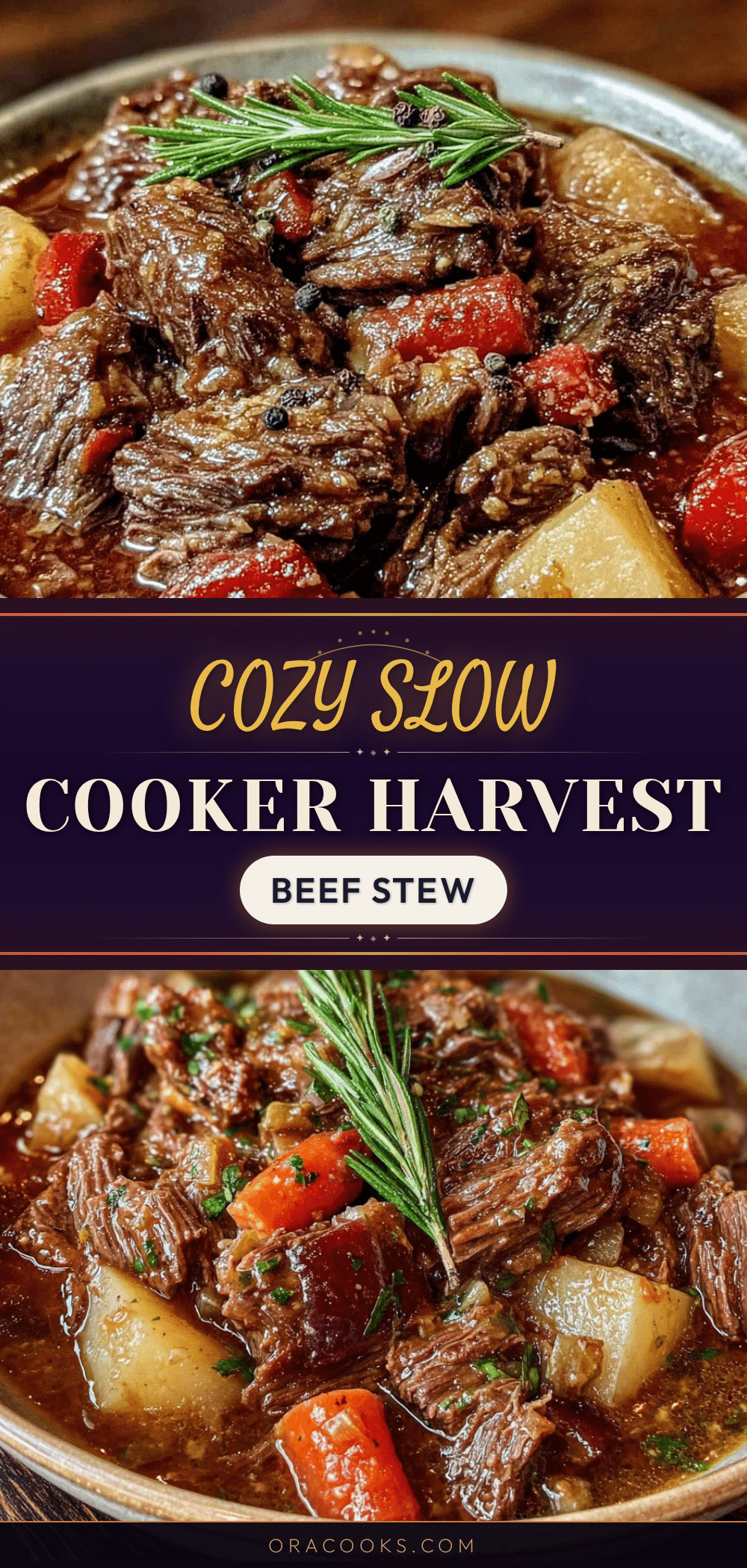
Cozy Slow Cooker Harvest Beef Stew with Root Vegetables
A hearty, hands-off beef stew made in the slow cooker with tender chuck roast, carrots, parsnips, and Yukon Gold potatoes in a rich, savory broth. Perfect for cold days when you want a comforting meal without spending hours in the kitchen.
- Prep Time: 20 minutes
- Cook Time: 6-8 hours (low) or 4-5 hours (high)
- Total Time: 6 hours 20 minutes to 8 hours 20 minutes
- Yield: 6 servings 1x
- Category: Main Course
- Cuisine: American
Ingredients
- 2 to 2.5 pounds beef chuck roast, cut into 2-inch cubes
- 3 large carrots, peeled and cut into 2-inch chunks
- 2 large parsnips, peeled and cut into 2-inch chunks
- 1 pound Yukon Gold potatoes (about 3 medium), cut into 1.5-inch chunks
- 1 large yellow onion, diced
- 2 stalks celery, chopped
- 4 cloves garlic, minced
- 4 cups low-sodium beef broth
- 1 cup dry red wine (optional, or use extra broth plus 1 tablespoon balsamic vinegar)
- 2 tablespoons tomato paste
- 1 large bay leaf (or 2 small)
- 1 teaspoon dried thyme
- Salt and black pepper to taste (start with 1 teaspoon salt and 1/2 teaspoon pepper)
- 2 tablespoons olive oil
- Fresh parsley for garnish (optional)
Instructions
- Prep the vegetables: Wash and peel carrots and parsnips, cut into 2-inch chunks. Peel potatoes and cut into 1.5-inch chunks. Dice onion, chop celery, mince garlic.
- Season the beef: Cut beef chuck roast into 2-inch cubes. Season generously with salt and pepper (about 1 teaspoon salt and 1/2 teaspoon pepper).
- Sauté the aromatics (optional but recommended): Heat olive oil in a large skillet over medium heat. Add onion and celery, cook 3 minutes until softened. Add garlic, cook 30 seconds until fragrant.
- Deglaze the pan (optional): Pour about 1/2 cup beef broth (or red wine) into the skillet, scrape up browned bits, and pour into slow cooker.
- Layer ingredients in slow cooker: Place carrots, parsnips, and potatoes in the bottom. Top with seasoned beef cubes. Add sautéed onion mixture, tomato paste, thyme, and bay leaf. Pour in remaining beef broth and red wine (if using). Do not stir.
- Cook low and slow: Cover and cook on low for 6-8 hours (or on high for 4-5 hours). Low is recommended for best texture.
- Check for doneness: About 30 minutes before serving, check beef—it should shred easily with a fork. Taste broth and adjust seasoning. If broth is too thin, mix 1 tablespoon cornstarch with 2 tablespoons cold water and stir in; cook 15 more minutes.
- Rest and serve: Turn off slow cooker, let stew sit 5 minutes. Remove bay leaf. Ladle into bowls, garnish with parsley if desired. Serve hot with crusty bread or over mashed potatoes.
Notes
For best results, cook on low. The stew is even better the next day. To thicken naturally, mash some potatoes against the side of the slow cooker. If stew tastes flat, add a squeeze of lemon juice or a dash of Worcestershire sauce. To reduce saltiness, add a peeled potato and cook 20 minutes.
Nutrition
- Serving Size: 1 bowl (about 1.5 cu
- Calories: 475
- Sugar: 9
- Sodium: 900
- Fat: 20
- Saturated Fat: 7
- Carbohydrates: 38
- Fiber: 7
- Protein: 38
Keywords: slow cooker beef stew, harvest stew, root vegetable stew, comfort food, fall recipe, winter recipe, easy stew, no-browning stew